
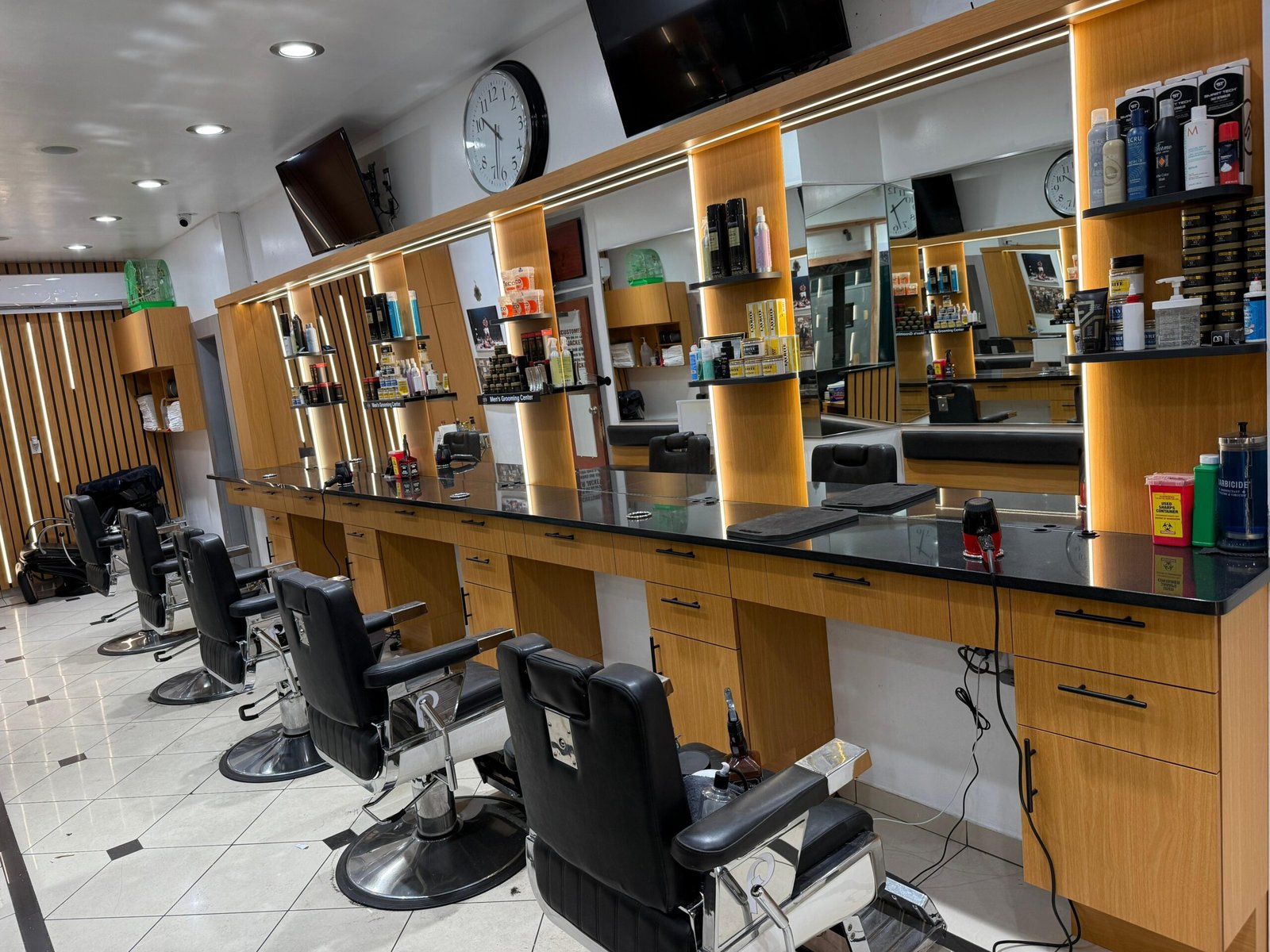
Growing out a short haircut does not mean avoiding the barber until the hair is long. It means changing the purpose of each appointment. Instead of returning every section to the old shape, the barber protects length in the areas that need to grow and removes weight where it causes the silhouette to collapse. With a clear target, strategic trims, and a realistic styling routine, the awkward stage becomes a series of intentional shapes rather than months of waiting.
Choose a target before you start
Save two or three references that show the length, outline, and texture you want. Try to find hair similar to yours and include side and back views. A target such as “medium curtains with the sides tucked” gives the barber useful direction; “just longer” does not explain which areas should be protected.
Ask what must grow first. Moving from a fade to a longer layered cut often requires patience at the upper sides, while the top may already be long enough. A barber can establish intermediate shapes so the fastest-growing sections do not dominate while slower areas catch up.
Expect different areas to grow at different rates
Hair grows from every follicle on its own cycle, and the same amount of new length behaves differently around the head. The neckline may look untidy quickly, the sides may push outward, and the top may feel unchanged because it needs more length before gravity affects it. This is normal, not evidence that the plan is failing.
Take monthly photos in similar lighting instead of inspecting the mirror every day. The comparison reveals progress and shows which areas need adjustment. Daily observation makes growth feel invisible and can tempt you into cutting the very sections needed for the final style.
Use maintenance cuts strategically
Schedule a shaping appointment roughly every eight to twelve weeks, depending on the starting cut and density. The barber can clean the perimeter, remove split ends, soften bulky corners, and preserve the important length. The service should be described as a grow-out trim so the goal remains clear throughout the consultation.
Do not ask for the usual haircut with “just a little off” if the usual haircut removes the side length you need. State which areas are protected and agree on the plan before cutting begins. Sometimes the best appointment involves almost no top length removal and careful work only around the outline and internal weight.
Manage the awkward side volume
Short sides tend to stand away from the head before they become long enough to bend. This phase is especially noticeable above the ears and at the ridge. Heavy product usually makes it look stiff rather than controlled. A dryer, brush, and light cream can redirect the hair while maintaining natural movement.
Your barber may taper only the lowest edges or remove weight internally without shortening the visible surface. That preserves progress while improving the silhouette. Repeatedly taking the sides very short creates an undercut pattern and prevents them from ever joining a longer top unless that contrast is the intended style.
Adjust washing and styling as length changes
A routine that worked for a crop may fail at medium length. Conditioner becomes more important because flexible hair lies better and is less likely to break. Shampoo the scalp as needed rather than roughing the entire length, and dry by pressing with a towel instead of aggressive rubbing.
Experiment with lighter products before choosing stronger hold. Sea-salt spray can add texture but may feel dry if overused; cream adds control with movement; paste creates separation; and pomade offers a more polished finish. Ask the barber to style the new shape and explain the amount and application order.
Protect length from preventable damage
Growth is most useful when the ends remain healthy. Excessive heat, forceful brushing, repeated tight styles, and constant friction can cause breakage that makes progress uneven. Use moderate dryer heat, start detangling at the ends, and avoid pulling wet hair into a tight position.
Nutrition and general health influence hair quality, but no ordinary product can dramatically accelerate the natural rate of growth. Be cautious with miracle claims. If you notice sudden shedding, patches, scalp pain, or a major change in density, speak with a qualified medical professional rather than relying on cosmetic advice.
Know when to refine the final shape
The target is reached when the hair has enough length in every necessary area, not when the top alone matches the reference. At that point the barber can establish the final layers, perimeter, and balance. This may involve removing more weight than during earlier maintenance visits, but the overall length and movement should remain.
Bring the original references back and discuss what you learned during the grow-out. You may discover that your texture looks better slightly shorter, that a part falls on the opposite side, or that the planned styling time is unrealistic. Refining the target is success; the goal is a longer cut that works for you, not a literal copy.