
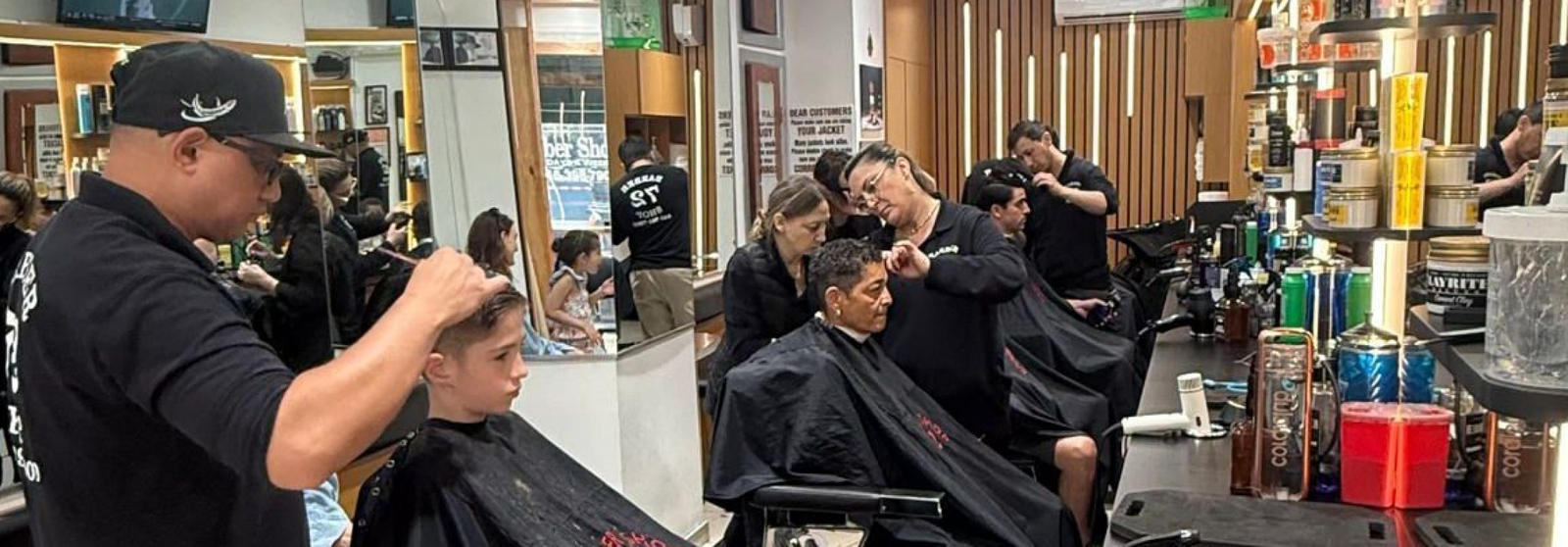
The right haircut schedule is not a fixed rule. It depends on the shape of the cut, the speed and pattern of your growth, how you style your hair, and how polished you want to look from one week to the next. A useful schedule should protect the shape without putting you in the chair more often than necessary. Here is how to find that rhythm for your own hair and routine.
Start with the haircut, not the calendar
Different cuts reveal growth at different speeds. A skin fade creates a sharp contrast between bare skin and longer hair, so even a few millimeters can soften the result. A layered scissor cut changes more gradually because the growth is distributed through the shape. The same two weeks can therefore look very different on two clients.
Your personal standard matters as much as the technique. Someone who needs a crisp outline for work may notice the temples and neckline after ten days. Another client may prefer the relaxed version of the same haircut at week three. Judge the point at which the cut stops feeling intentional, not the first day you can see growth.
Fades and close clipper cuts
For a consistently sharp skin fade, two to three weeks is the most reliable range. The shortest section grows out first around the ears, temple points, and lower neckline. The blend may still be technically sound, but the clean contrast that defines a fresh fade begins to disappear. A high fade often announces this change sooner because more of the head is closely cut.
If you like a softer transition, three to four weeks can work well. Ask your barber to build a shape that grows out cleanly and avoid taking the upper blend higher than necessary. A neck cleanup or outline service between full cuts can restore the edges, but it should not replace a full appointment once weight has developed above the fade.
Classic short and business cuts
Most short scissor-and-clipper cuts hold for four to six weeks. The first warning is usually bulk over the ears or at the corners behind the head, not excessive length on top. Styling may take longer, the side part may lose its position, or the silhouette may appear rounder in photos. Those are useful signals that the structure needs to be reset.
Clients with dense or fast-growing hair often feel better closer to four weeks. Fine hair or a deliberately softer outline may comfortably reach six. If a major event is coming, schedule the haircut three to seven days beforehand. That gives the cut time to settle while keeping the outline clean for the occasion.
Medium and longer hairstyles
Medium styles commonly need shaping every six to ten weeks. Longer hair does not require constant length removal, but it still needs balance. As layers grow, weight can collapse at the crown, collect at the sides, or make the ends flip unpredictably. A small, strategic trim can restore movement without undoing months of growth.
Tell your barber whether you are maintaining the current style or growing toward a reference. For a grow-out, the goal is often to clean the perimeter, remove damaged ends, and adjust only the areas that become bulky. Cutting every section by the same amount can delay the target shape, which is why a clear growth plan matters.
Hair texture and growth pattern change the answer
Curly and coily hair can preserve a silhouette for a long time, but shrinkage may hide uneven weight until styling becomes difficult. Straight, dense hair often shows a heavy shelf sooner. Cowlicks can become more active as hair lengthens, especially at the crown and front. These factors explain why a schedule copied from a friend rarely fits perfectly.
Lifestyle also affects timing. Frequent hat use, intense training, swimming, and daily product buildup can change how a cut behaves between visits. None of those habits automatically means more haircuts; they may simply call for a better wash routine or a slightly different shape. Mention them during the consultation so the cut supports real life.
Maintain the result between appointments
Use a shampoo frequency that suits your scalp, condition enough to keep the hair flexible, and apply styling product in small amounts. Most products work best when warmed between the hands and distributed from back to front before the final shape is set. Overloading the hair makes a growing cut look heavier than it is.
Avoid correcting the neckline or sideburns aggressively at home. One uneven line can force the next haircut higher and shorten the life of the shape. If the cut is nearly right but the edges need attention, book a professional cleanup. It preserves the proportions your barber established at the full visit.
Build a schedule you can actually keep
Start with the normal range for your haircut, then adjust by one week based on how it looks and feels. Take a quick photo at the end of each week for one full cycle. You will see when the outline changes, when styling becomes slower, and when you stop feeling at your best. That point is your practical booking interval.
For many Barber Shop 72 clients, the easiest habit is reserving the next visit before leaving the chair. A two-to-three-week rhythm suits crisp fades, four-to-six weeks suits most classic short cuts, and six-to-ten weeks suits longer shapes. The best schedule is the one that keeps you confident without unnecessary maintenance.