
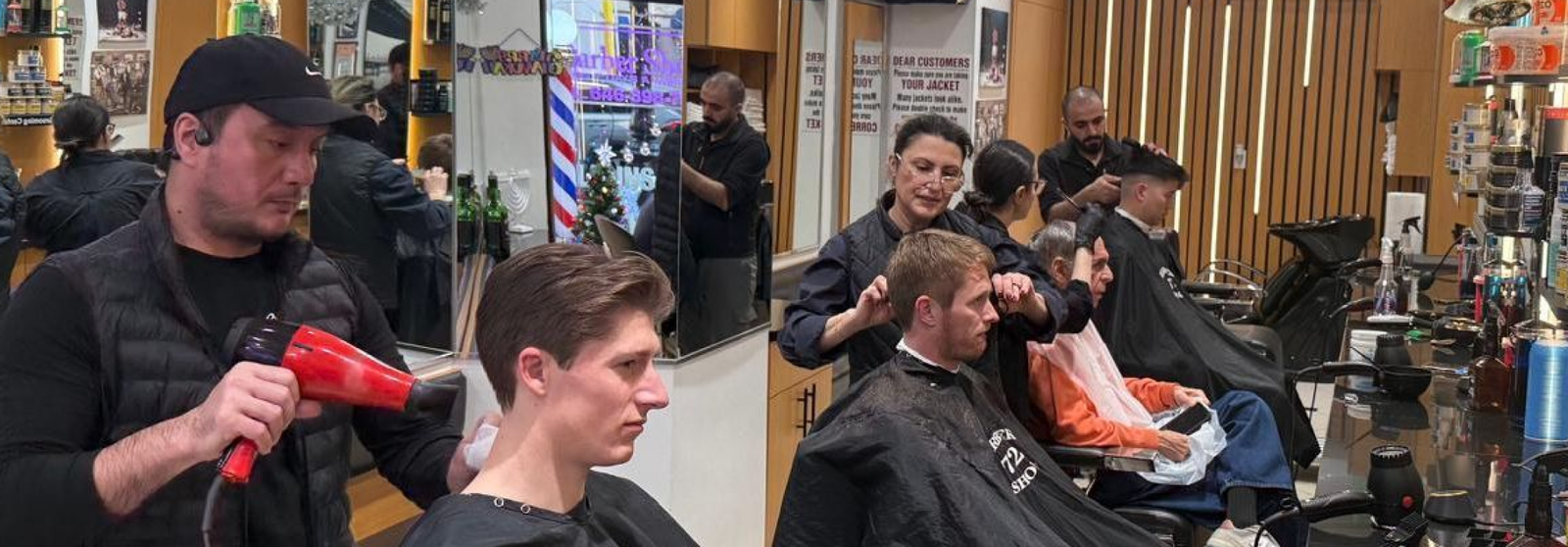
A barber shop should feel welcoming, not full of hidden rules. Most good etiquette is simple: arrive with enough time, communicate clearly, respect the people sharing the space, and speak up while adjustments are still easy to make. Whether it is your first professional haircut or your hundredth, a few habits help the barber understand you and protect the appointment time reserved for everyone.
Arrive on time and communicate delays
Aim to arrive a few minutes before an appointment so you can settle in without rushing the consultation. Arriving very early does not guarantee an earlier chair, and arriving late may shorten the service or require rescheduling because the next client has also reserved a time.
If you know you are delayed, call the shop as soon as possible. A realistic update is more helpful than an optimistic estimate. The barber can explain whether the service still fits or help find another opening. Clear communication gives the shop the best chance to protect your result and everyone else’s schedule.
Come with reasonably clean, workable hair
Hair does not need to be freshly shampooed minutes before the visit, but it should be free from excessive grease, sweat, or a hard layer of product. Heavy wax and fibers can hide growth patterns and make sectioning difficult. If the shop includes washing with your service, normal day-to-day product is usually fine.
Avoid wearing a tight hat for hours immediately beforehand if possible, especially when the barber needs to assess natural volume and direction. For beard services, arrive with the beard dry and in its ordinary state. The goal is to show how the hair normally behaves so the design works outside the shop.
Bring references, not demands for a copy
Two or three clear photos are useful. Point out the fade height, top length, texture, outline, or beard shape you like. A reference is a communication tool, not a guarantee that different hair will reproduce every detail. Density, curl, hairline, and head shape affect the final result.
Be open when the barber suggests an adaptation. Ask why a change is recommended and what the maintenance will involve. The strongest consultation combines your taste with the barber’s view of the hair in front of them. You remain in control of the decision, but you make it with better information.
Be still when the work requires it
Conversation is welcome, but large head movements make precision work unsafe and inconsistent. Let the barber guide your head rather than anticipating every direction. When clippers or a razor are close to the ear, hairline, or neck, pause animated gestures and allow the detail to finish.
Phone use can also pull the chin down and twist the shoulders. If you need to answer something, mention it and hold the phone where your posture can remain stable. For a longer call, ask whether a short pause is possible. The barber would rather wait briefly than correct a line affected by movement.
Give useful feedback during the service
Speak up if the length, fade height, temperature, cape, or product feels wrong. Calm, specific feedback is not rude; it helps. Say “I would like to keep more weight here” or “can the front stay longer?” before that section is finished. Hair can always be shortened, but removed length cannot be restored that day.
At the mirror check, look at the front, sides, and back. Move the hair as you normally wear it and ask for a small adjustment if needed. Avoid saying only “something is off.” Identify the area and the effect you want. The barber can respond much more accurately to a clear observation.
Respect the shared shop environment
Keep speaker audio low, use headphones, and remember that other clients may not share your conversation preferences. Children should be supervised, especially around sharp tools and moving chairs. Food, drinks, and personal belongings should stay clear of workstations unless the barber indicates a safe place.
Photography is usually fine when it focuses on you, but ask before filming staff or other clients. A busy barber shop includes people who may not want to appear online. Basic awareness keeps the room relaxed and lets the team focus on service rather than managing avoidable distractions.
Rebook with useful notes
If you like the result, note the date and take photos after styling it yourself. At the next visit, explain what grew well and what became difficult. That feedback helps the barber refine the shape. Consistency comes from learning across appointments, not from pretending every head of hair behaves exactly the same each month.
Book the next visit based on your haircut’s maintenance range and your calendar. If you need a specific barber or evening time, reserving ahead is especially useful. Walk-ins remain welcome when a chair is free, but an appointment gives you more control when timing matters.